Diesel Particulate Filter - DPF
DPF Cleaning & Diesel Particulate Filter Service in San Bernardino, CA
A DPF warning light, reduced engine power, regeneration concern, or change in diesel performance can be a sign that the exhaust aftertreatment system needs attention. However, these symptoms do not always mean the diesel particulate filter itself needs to be cleaned or replaced.
Direct Truck & Auto Repair provides DPF diagnostics, service, and diesel repair in San Bernardino, CA. We start by checking the vehicle and related systems so the cause of the problem can be identified before repairs are recommended.
Call 909-746-0188 or schedule an appointment online if your diesel truck has a DPF warning light, regeneration problem, or loss of power.
What Is a Diesel Particulate Filter?
A diesel particulate filter, commonly called a DPF, is part of the exhaust aftertreatment system used on many modern diesel vehicles. Its job is to capture soot from the exhaust before that material leaves the tailpipe.
As soot collects in the filter, the vehicle may use a process called regeneration to raise exhaust temperatures and burn off much of the accumulated soot. Ash and other material can remain in the filter over time and may eventually require additional service.
The exact aftertreatment system varies by vehicle, engine, model year, and application. Some systems also include components such as diesel oxidation catalysts, selective catalytic reduction systems, DEF equipment, sensors, and exhaust temperature controls.
Signs Your DPF or Aftertreatment System May Need Attention
Several symptoms can point toward a DPF or diesel emissions concern, but they can also be caused by other engine or exhaust-system problems.
Signs that may require inspection include:
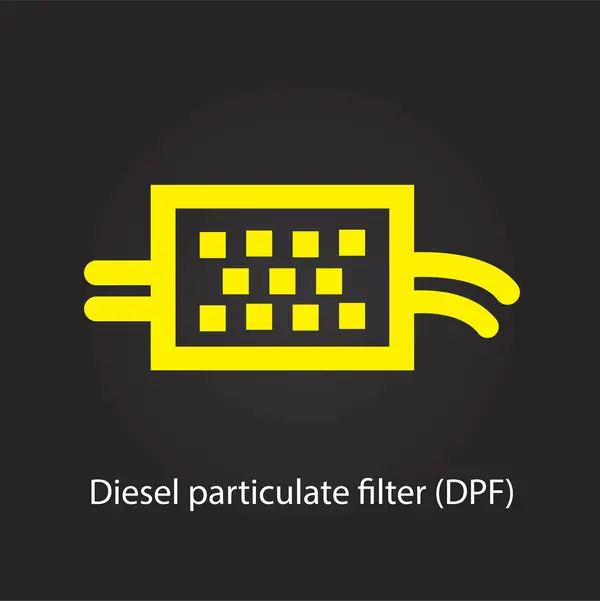
- A DPF or exhaust-system warning light
- A check engine light
- Reduced engine power
- Frequent or unsuccessful regeneration attempts
- A message indicating that regeneration is required
- Changes in fuel economy
- Unusual exhaust-system behavior
- Engine performance concerns
These symptoms should be treated as starting points. Diagnostic testing is needed to determine whether the problem involves the DPF itself, a sensor, the engine, the fuel system, the EGR system, another aftertreatment component, or a different vehicle system.
What Can Cause a DPF to Become Restricted?
A DPF can become restricted when soot or ash accumulates beyond the system's ability to manage it normally. The reason for that buildup can vary.
Possible contributing factors may include:
- Repeated interrupted or incomplete regeneration cycles
- Extended low-speed or low-load operation
- Engine performance problems that increase soot production
- Fuel or air-management concerns
- Sensor or aftertreatment-system faults
- EGR-related concerns
- Normal ash accumulation over time
Simply cleaning the filter without identifying an underlying engine or emissions problem may allow the restriction to return. That is why diagnosis should come before deciding on the correct DPF service.
What Is DPF Regeneration?
Regeneration is the process used to reduce soot stored in the diesel particulate filter. Depending on the vehicle and operating conditions, regeneration may happen automatically while driving or may require a controlled service procedure.
If the vehicle cannot complete regeneration successfully, a warning message or light may appear. Before forcing a regeneration, it is important to determine why the normal process is not completing.
A regeneration problem may be related to soot loading, exhaust temperature, sensors, engine operating conditions, or another emissions-system concern. The correct procedure depends on the specific vehicle and what diagnostic testing shows.
Does a DPF Warning Light Mean the Filter Needs Cleaning?
Not necessarily. A DPF warning light indicates that the vehicle has detected a condition involving the particulate filter or related system, but it does not confirm that cleaning is the only repair needed.
A warning may be caused by excessive soot loading, a failed regeneration, a sensor problem, an engine-performance issue, or another exhaust aftertreatment concern.
Scanning the vehicle for diagnostic trouble codes can help guide the next step, but codes alone do not identify the failed part. Further inspection and testing may be required.
Learn more about our computer diagnostic services.
What May Be Included in DPF Service?
The correct DPF service depends on the vehicle, the amount and type of buildup, the condition of the filter, and the cause of the problem.
Depending on what testing finds, DPF service may involve:
- Scanning the vehicle for diagnostic trouble codes
- Reviewing DPF and aftertreatment operating data
- Checking soot or restriction information when available
- Inspecting related sensors and exhaust components
- Checking for engine problems that may contribute to excessive soot
- Evaluating regeneration operation
- Determining whether the filter may be serviceable
- Checking for filter damage when appropriate
Some filters may be candidates for cleaning, while others may be damaged or no longer serviceable. The appropriate next step should be based on inspection and testing rather than assuming every restricted filter requires the same procedure.
Why Finding the Cause of DPF Problems Matters
A restricted DPF can sometimes be the result of another problem rather than the original cause. If the engine is producing excessive soot or an aftertreatment component is not working correctly, servicing the filter alone may not solve the concern.
Possible related systems can include:
- Fuel delivery
- Air intake and turbocharger operation
- EGR components
- Exhaust temperature sensors
- Differential pressure sensors
- DEF and SCR systems when equipped
- Other engine and emissions controls
Testing the related systems can help determine why the DPF warning appeared and reduce the chance of replacing or cleaning parts unnecessarily.
DPF Service for Commercial and Heavy-Duty Trucks
Commercial diesel trucks often operate under demanding conditions. Highway use, local delivery routes, frequent stops, extended idling, heavy loads, and job-site operation can all affect the way a diesel aftertreatment system operates.
Direct Truck & Auto Repair works with commercial trucks and fleet vehicles in the San Bernardino area. For additional diesel and commercial vehicle service, visit our diesel service and heavy-duty truck repair pages.
Fleet operators can also learn more about our fleet service.
Why Timely DPF Diagnosis Matters
Continuing to operate a vehicle with an unresolved DPF or aftertreatment concern can affect performance and may lead to additional warning messages, reduced-power operation, or other emissions-system problems.
The exact consequences depend on the vehicle and the fault. Having the system diagnosed when warning lights or regeneration problems appear can help identify the cause before unnecessary parts are replaced or the concern becomes more involved.
DPF Service and California Commercial Vehicles
Commercial diesel vehicles may also be subject to California emissions requirements depending on the vehicle and type of operation.
For applicable trucks, learn more about our CARB Clean Truck Check services.
Emissions requirements can vary and may change, so vehicle owners and fleet operators should confirm the current requirements that apply to their specific vehicles.
DPF Service FAQs
What does a DPF warning light mean?
A DPF warning light means the vehicle has detected a condition involving the particulate filter or related aftertreatment system. The cause may involve soot loading, regeneration, sensors, engine operation, or another emissions component. Testing is needed to determine the reason.
Does every DPF warning mean the filter is clogged?
No. A restriction is one possibility, but sensor faults, regeneration problems, engine concerns, and other aftertreatment issues can produce similar warnings.
Can a diagnostic trouble code tell you that the DPF needs replacement?
Not by itself. A trouble code identifies a condition that needs further investigation. Additional testing is usually needed before determining whether the filter should be cleaned, repaired, or replaced.
What is the difference between regeneration and DPF cleaning?
Regeneration is a process that reduces soot inside the filter by using heat. Cleaning generally refers to additional service used when material such as ash or excessive buildup cannot be addressed through normal regeneration. The appropriate procedure varies by filter and vehicle.
Why does my truck keep asking for regeneration?
Repeated regeneration requests can have several possible causes. The vehicle may be operating in conditions that make regeneration difficult, or there may be an engine, sensor, fuel, air, or aftertreatment-system concern that needs diagnosis.
Can a dirty DPF cause loss of power?
A restricted DPF or another aftertreatment problem can contribute to reduced engine performance on some vehicles. However, loss of power can also come from fuel, air, turbocharger, engine, electrical, or other emissions-system concerns. Diagnostic testing is needed to confirm the cause.
How long does DPF service take?
Service time depends on the vehicle, the diagnostic work required, the condition of the filter, the type of service needed, and parts availability. After inspecting the truck, the shop can provide a better idea of the work involved.
DPF Cleaning & Diesel Service in San Bernardino and the Surrounding Area
Direct Truck & Auto Repair has served the San Bernardino area since 1996 and provides diesel diagnostics, DPF service, and commercial truck repair.
You can learn more about the area we serve on our San Bernardino County page.
If your truck has a DPF warning, regeneration problem, reduced power, or another diesel emissions concern, we can inspect the system, review the available diagnostic information, and determine what needs further attention.
Need DPF service in San Bernardino, CA? Call 909-746-0188 or schedule an appointment online with Direct Truck & Auto Repair.
We are a Digital Shop
The Direct Truck & Auto Repair technicians use the latest technology to not only tell you if there are any issues with your vehicle, but show you. If we uncover an issue the photo will be e-mailed to you for your records. At the end of every visit you will receive a detailed report regarding the general health of your vehicle. Our #1 goal is to keep you safe on the road.
Read more