Forklift Repair
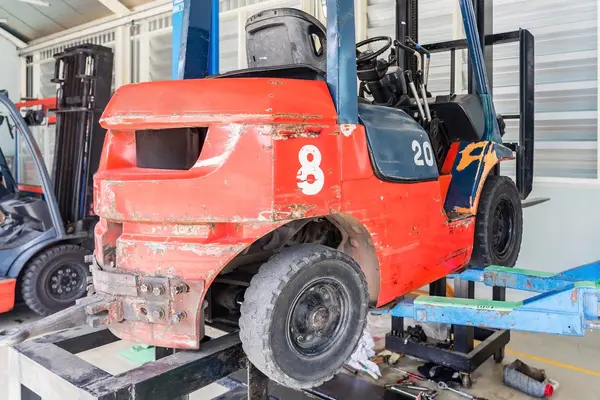
Forklift Repair & Maintenance in San Bernardino, CA
Forklifts work in demanding environments where lifting, carrying, loading, and frequent stop-and-go operation can place added stress on many components. Regular inspection and timely maintenance can help identify wear, leaks, electrical concerns, and other developing problems before they become more disruptive.
Direct Truck & Auto Repair provides forklift repair, diagnostics, and maintenance in San Bernardino, CA. Service needs vary depending on the forklift, power source, capacity, operating environment, and how the equipment is used, so we start by inspecting the concern before recommending repairs.
Call 909-746-0188 or schedule an appointment online if your forklift needs inspection, maintenance, or repair.
Why Is Regular Forklift Maintenance Important?
Forklifts may operate for long hours, carry heavy loads, make frequent turns, and work in warehouses, yards, loading areas, or other demanding environments. These conditions can affect tires, brakes, steering, hydraulic components, electrical systems, and other parts over time.
Regular inspection and maintenance may help:
- Identify worn or damaged components early
- Reduce the risk of avoidable equipment downtime
- Find hydraulic leaks or hose concerns
- Support dependable steering and braking
- Keep lift and travel systems operating properly
- Identify electrical or charging-system concerns
- Make maintenance needs easier to plan
Maintenance requirements vary by forklift type, manufacturer, operating hours, load, environment, and service history. The manufacturer's maintenance guidance should be considered when planning service.
Different Forklifts Have Different Service Needs
Not every forklift uses the same systems or power source. Depending on the equipment, a forklift may be electric or may use an internal-combustion engine powered by diesel, gasoline, propane, or another fuel.
Forklifts can also differ in:
- Lift capacity
- Hydraulic system design
- Steering configuration
- Brake system design
- Tire type
- Electrical and control systems
- Attachments and accessories
Because of these differences, inspection and repair procedures should be based on the specific forklift rather than assuming every unit has the same components.
Signs Your Forklift May Need Repair
Changes in how a forklift lifts, travels, steers, starts, or stops can be signs that something needs attention.
Common concerns may include:
- Visible hydraulic or fluid leaks
- Slow, uneven, or inconsistent lifting
- Difficulty raising, lowering, or tilting the forks
- Travel or drive problems
- Hard starting or a no-start condition
- Warning lights or fault codes on equipped models
- Steering problems
- Changes in braking performance
- Unusual noises or vibration
- Lights, alarms, or horns that do not work properly
- Damaged or unusually worn tires
These symptoms do not confirm a specific failed part. Hydraulic, electrical, mechanical, fuel, battery, control-system, or other problems can sometimes create similar symptoms. Inspection and testing are needed to determine the cause.
Forklift Hydraulic System Concerns
The hydraulic system is responsible for many lifting and tilting functions on a forklift. Hoses, fittings, cylinders, seals, valves, pumps, and other hydraulic components can wear or develop leaks over time.
Possible signs of a hydraulic concern may include:
- Visible fluid leaks
- Slow lifting or lowering
- Jerky or inconsistent lift operation
- Difficulty tilting the mast
- Unusual hydraulic noises
The location of a leak or the type of movement problem does not always identify the failed component. The hydraulic system should be inspected before repairs are recommended.
For related services, learn more about our hydraulic repair services.
Forklift Starting & Electrical Problems
A forklift that will not start can have several possible causes. A weak or discharged battery is one possibility on some equipment, but it is not the only one.
Depending on the forklift, possible areas that may need testing include:
- Battery condition and connections
- Charging or electrical systems
- Starter circuits
- Safety switches or controls
- Fuel delivery on internal-combustion models
- Wiring, relays, or connectors
- Electronic controls or sensors on equipped units
Testing helps determine why the forklift will not start before parts are replaced.
Forklift Travel & Drive Concerns
If a forklift hesitates, will not move normally, loses travel power, or behaves differently when changing direction, the problem may involve several systems.
Possible areas of concern can include electrical controls, wiring, drivetrain components, hydraulic systems on applicable equipment, sensors, switches, or mechanical parts.
The correct repair depends on the forklift design and what inspection and testing find.
Forklift Brake & Steering Concerns
Changes in braking or steering should be inspected before the forklift continues regular use. Steering play, pulling, unusual noises, increased braking distance, or changes in pedal feel may indicate a developing concern.
The cause can vary depending on the equipment and may involve steering components, brake parts, tires, hydraulic systems, mechanical linkages, or other components.
Forklift Tires & Wheels
Forklift tires are available in different designs and can wear differently depending on the surface, load, operating hours, turning patterns, and equipment configuration.
Possible concerns include:
- Uneven or excessive wear
- Visible damage
- Flat spots
- Chunking or cracking on applicable tire types
- Changes in stability or ride quality
Tire condition can affect handling and operation, so damaged or unusually worn tires should be evaluated.
Forklift Lights, Horns & Safety Accessories
Forklifts may be equipped with lights, horns, alarms, switches, and other electrical accessories depending on the application.
If an accessory stops working, the cause may involve wiring, connectors, switches, power supply, the accessory itself, or another electrical issue. Testing can help locate the problem before components are replaced unnecessarily.
What May Be Included in Forklift Maintenance?
The right maintenance depends on the equipment and how it is used. Depending on the forklift, inspection and service may involve:
- Hydraulic hoses, fittings, and cylinders
- Fluid levels and condition
- Brake components
- Steering components
- Tires and wheels
- Battery and electrical systems
- Charging systems on applicable equipment
- Engine components on internal-combustion forklifts
- Lift and mast components
- Lights, horns, alarms, and controls
Additional inspection or testing may be needed depending on the condition of the forklift and any symptoms reported by the operator.
For commercial equipment and vehicle maintenance, you can also learn more about our preventive maintenance services.
Forklift Repair for Commercial Operations
A forklift that is unavailable can affect loading, material handling, warehouse work, and other daily operations. Regular inspections can help businesses identify developing concerns and plan maintenance before some problems become more disruptive.
Maintenance cannot prevent every failure, but it can help identify leaks, worn components, electrical concerns, brake problems, and other issues earlier.
Businesses managing multiple vehicles or equipment can also learn more about our fleet service.
Forklift Repair FAQs
How often should a forklift be serviced?
Service frequency depends on the manufacturer, operating hours, forklift type, load, work environment, and maintenance history. The maintenance information for the specific equipment should be used when planning service.
Why is my forklift leaking hydraulic fluid?
A hydraulic leak may come from a hose, fitting, seal, cylinder, valve, pump, or another component. The source should be located through inspection before the repair is determined.
Why won't my forklift start?
Starting problems can be related to the battery, electrical system, starter circuit, fuel delivery, controls, switches, wiring, or other components depending on the forklift. Testing is needed to determine the cause.
Why is my forklift lifting slowly?
Slow lifting can have several possible causes involving hydraulic fluid, pumps, valves, cylinders, restrictions, controls, or other hydraulic components. Inspection and testing are needed before a repair is recommended.
Why is my forklift making an unusual noise?
Unusual noises may come from hydraulic components, the engine or motor, bearings, brakes, steering, drivetrain parts, or other systems. The sound should be inspected before assuming which component needs repair.
Can you repair electrical problems on a forklift?
Electrical concerns can involve batteries, wiring, switches, connectors, relays, charging systems, controls, or accessories. The repair needed depends on the forklift and what electrical testing finds.
How long does forklift repair take?
Repair time depends on the equipment, the concern, diagnostic testing, repairs needed, and parts availability. After inspecting the forklift, the shop can provide a better idea of the work involved.
Forklift Repair in San Bernardino and the Surrounding Area
Direct Truck & Auto Repair has served the San Bernardino area since 1996 and provides forklift, truck, and commercial equipment repair services.
You can learn more about the area we serve on our San Bernardino County page.
If your forklift has a hydraulic leak, lift problem, starting concern, electrical issue, steering problem, brake concern, or another repair need, we can inspect the equipment, explain what we find, and discuss the appropriate next step.
Need forklift repair in San Bernardino, CA? Call 909-746-0188 or schedule an appointment online with Direct Truck & Auto Repair.
We are a Digital Shop
The Direct Truck & Auto Repair technicians use the latest technology to not only tell you if there are any issues with your vehicle, but show you. If we uncover an issue the photo will be e-mailed to you for your records. At the end of every visit you will receive a detailed report regarding the general health of your vehicle. Our #1 goal is to keep you safe on the road.
Read more