Engine Repair
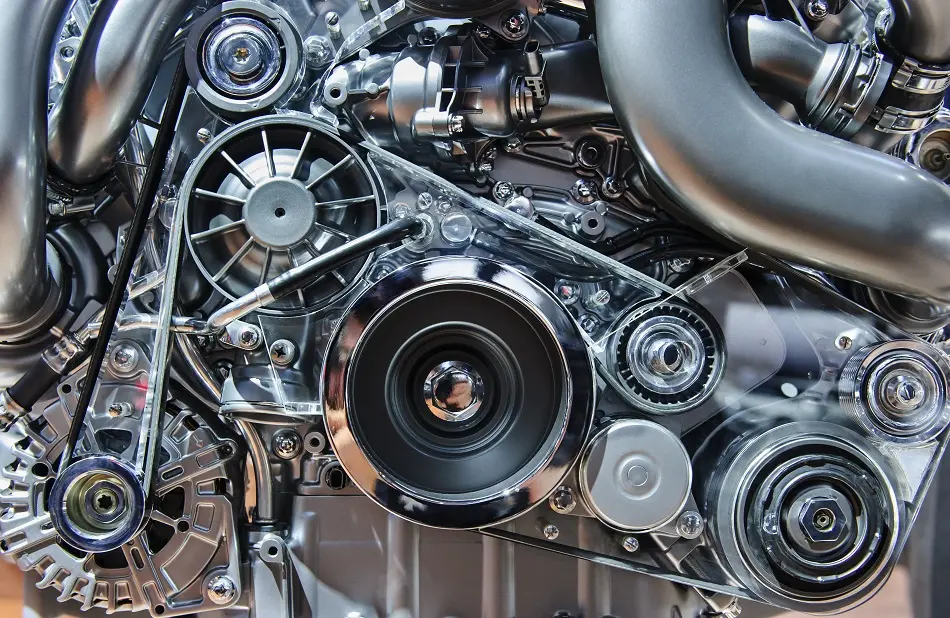
Engine Repair & Diagnostics in San Bernardino, CA
Engine problems can show up in many different ways, from a check engine light or loss of power to unusual noises, leaks, overheating, or changes in the way your vehicle runs. Because several problems can cause similar symptoms, proper testing is important before deciding what needs to be repaired.
Direct Truck & Auto Repair provides engine diagnostics, maintenance, and repair in San Bernardino, CA for cars, trucks, diesel vehicles, and commercial applications. We start by evaluating the concern, testing related systems, and determining what needs attention before recommending repairs.
Call 909-746-0188 or schedule an appointment online if your vehicle has an engine warning light, performance problem, unusual noise, or other concern.
How Does Your Vehicle's Engine Work?
Your engine converts energy into the power needed to move the vehicle. How that happens depends on the type of engine and its design.
Gasoline engines typically use spark plugs to ignite a mixture of air and fuel. Diesel engines use compression to create the heat needed for combustion. Both designs rely on many moving and electronic components working together.
Depending on the engine, important components can include:
- Pistons and cylinders
- Crankshaft and connecting rods
- Valves and valvetrain components
- Timing components
- Fuel delivery components
- Air intake components
- Cooling and lubrication systems
- Sensors and electronic controls
Engine designs vary by make, model, year, fuel type, and application. That is why diagnosis and repair procedures should be based on the specific vehicle rather than a one-size-fits-all approach.
Signs Your Engine May Need Attention
Changes in the way your vehicle starts, runs, sounds, or performs can be signs that something needs to be inspected. Common concerns include:
- A check engine light or other engine warning
- Loss of power or slow acceleration
- Hard starting or a no-start condition
- Rough running, shaking, or hesitation
- Knocking, tapping, rattling, or other unusual noises
- Higher-than-normal engine temperature
- Oil, coolant, or other fluid leaks
- Unusual exhaust smoke
- Changes in fuel economy
- Stalling or intermittent performance problems
These symptoms do not confirm a specific engine failure. Fuel, ignition, electrical, emissions, cooling, drivetrain, or other systems can sometimes produce similar symptoms. Inspection and testing are needed to determine the cause.
What Does a Check Engine Light Mean?
A check engine light means the vehicle's computer has detected a condition that needs attention. The light may be related to the engine, emissions system, fuel system, electrical controls, or another monitored system.
A diagnostic trouble code can help identify where testing should begin, but the code does not automatically tell a technician which part has failed.
For example, a code related to a sensor reading may be caused by the sensor itself, damaged wiring, a mechanical problem, an air or fuel issue, or another condition that affects the reading.
Our computer diagnostic services can help narrow down the cause before parts are replaced.
What May Be Included in Engine Diagnostics?
The diagnostic process depends on the vehicle and the symptoms. We begin with the concern you are experiencing and use inspection and testing to determine what needs further attention.
Depending on the problem, engine diagnostics may include:
- Scanning for diagnostic trouble codes
- Reviewing relevant engine operating data
- Checking fluid levels and condition
- Inspecting for visible leaks or damaged components
- Testing electrical circuits, sensors, or controls when needed
- Evaluating fuel and air delivery
- Checking cooling system operation
- Performing mechanical testing when the symptoms call for it
Additional testing may be needed depending on what the initial inspection finds. The goal is to confirm the cause before recommending an engine repair.
Common Engine Problems We Diagnose
An engine can develop many different concerns over its service life. Some are related to normal wear, while others may result from leaks, overheating, electrical problems, maintenance issues, or component failure.
Loss of Engine Power
Loss of power can have several possible causes. Fuel delivery, air intake, ignition on gasoline engines, turbocharger operation on equipped vehicles, exhaust restrictions, sensors, engine controls, or internal mechanical problems may all affect performance.
Testing is needed to determine which system is responsible.
Engine Overheating
An overheating engine may be related to low coolant, a leak, cooling fan operation, a thermostat, radiator, water pump, hose, sensor, or another cooling-system problem.
Continuing to operate an engine that is overheating can lead to additional damage. If the temperature rises beyond its normal range, stop driving when it is safe to do so and have the vehicle inspected.
Oil or Coolant Leaks
Fluid leaks should be identified before deciding what repair is needed. Oil or coolant may leak from several different seals, gaskets, hoses, fittings, or components.
The location of fluid underneath the vehicle does not always identify where the leak started, so inspection may be needed to trace the source.
Unusual Engine Noises
Knocking, tapping, rattling, squealing, or other unusual sounds can come from many different parts of the engine or nearby systems.
The cause may involve internal engine components, belts, pulleys, accessories, valvetrain parts, exhaust components, or another system. The sound should be inspected before assuming major engine work is needed.
Rough Running or Misfires
A rough-running engine or misfire can result from ignition, fuel delivery, air intake, compression, electrical, or control-system problems depending on the engine.
On gasoline vehicles, spark plugs or ignition components may be involved in some cases, but they are not the only possible causes. Proper testing helps avoid replacing parts unnecessarily.
Gasoline & Diesel Engine Repair
Gasoline and diesel engines operate differently and can require different diagnostic procedures, components, and maintenance.
Direct Truck & Auto Repair works with both passenger vehicles and commercial trucks in the San Bernardino area. The repair approach depends on the specific engine, vehicle, symptoms, and what testing finds.
For diesel-related concerns, learn more about our diesel service.
If a diesel concern involves the exhaust aftertreatment system, you can also visit our DPF service page.
Engine Maintenance Matters
Routine maintenance can help support engine performance and identify developing problems before some of them become more involved. The correct services and intervals depend on the vehicle and manufacturer recommendations.
Depending on the vehicle, engine maintenance may involve:
- Engine oil and filter service
- Checking coolant level and condition
- Inspecting belts and hoses
- Checking air and fuel filters when applicable
- Inspecting spark plugs on gasoline engines when required
- Checking for fluid leaks
- Monitoring warning lights and performance changes
Exact maintenance intervals vary by make, model, engine, driving conditions, and service history. The manufacturer's maintenance information should be used when planning scheduled service.
Commercial vehicle owners can also learn more about our preventive maintenance services.
Engine Repair for Trucks and Commercial Vehicles
Truck engines may operate under demanding conditions that include heavy loads, extended idle time, long highway miles, frequent stops, and commercial use. Those conditions can affect maintenance needs and the way engine problems develop.
Direct Truck & Auto Repair provides engine diagnostics and repair for a range of commercial vehicles. Depending on your truck, you can also learn more about our medium-duty truck repair and heavy-duty truck repair services.
For businesses managing multiple vehicles, visit our fleet service page.
Why Engine Diagnosis Comes Before Repair
Many engine symptoms overlap. A vehicle that lacks power, runs rough, or turns on a warning light may have a relatively simple problem or a more involved mechanical concern.
Replacing parts based only on a symptom or trouble code can result in unnecessary work. A diagnostic-first approach helps determine which system needs attention and what repair is appropriate for the specific vehicle.
Once testing is complete, we can explain what was found and discuss the recommended next step.
Engine Repair FAQs
Does a check engine light mean my engine needs major repair?
No. A check engine light can be triggered by many different conditions. Some may be relatively minor, while others require more involved diagnosis or repair. Testing is needed to determine the cause.
Can I keep driving with the check engine light on?
It depends on the symptoms. A steady light should be diagnosed, but the urgency varies. A flashing check engine light, severe shaking, major loss of power, overheating, or other serious symptoms require more immediate attention.
Why is my engine losing power?
Loss of power can come from several systems, including fuel delivery, air intake, ignition, emissions equipment, turbocharger operation, electrical controls, or internal engine problems. Diagnostic testing is needed to identify the cause.
What should I do if my engine is overheating?
If the engine temperature rises beyond its normal range, stop driving as soon as it is safe to do so. Continuing to operate an overheating engine can cause additional damage. The cooling system and related components should be inspected before the vehicle is driven further.
Does an unusual engine noise mean I need a new engine?
Not necessarily. Engine-area noises can come from belts, pulleys, accessories, valvetrain components, exhaust parts, internal engine components, or other sources. The noise should be diagnosed before deciding what type of repair is needed.
Can poor fuel economy mean there is an engine problem?
It can, but fuel economy is affected by many factors. Engine operation, tire pressure, vehicle load, driving conditions, emissions problems, maintenance needs, and other systems may all play a role.
How long does engine repair take?
Repair time depends on the vehicle, the symptoms, diagnostic testing, the repair needed, and parts availability. After the vehicle is inspected, the shop can provide a better idea of the work involved.
Engine Repair in San Bernardino and the Surrounding Area
Direct Truck & Auto Repair has served the San Bernardino area since 1996 and provides engine diagnostics, maintenance, and repair for cars, trucks, diesel vehicles, and commercial fleets.
You can learn more about the area we serve on our San Bernardino County page.
If your vehicle has a warning light, loss of power, overheating concern, fluid leak, unusual noise, or another engine-related symptom, we can inspect the vehicle, explain what we find, and discuss the appropriate repair options.
Need engine repair in San Bernardino, CA? Call 909-746-0188 or schedule an appointment online with Direct Truck & Auto Repair.
We are a Digital Shop
The Direct Truck & Auto Repair technicians use the latest technology to not only tell you if there are any issues with your vehicle, but show you. If we uncover an issue the photo will be e-mailed to you for your records. At the end of every visit you will receive a detailed report regarding the general health of your vehicle. Our #1 goal is to keep you safe on the road.
Read more