Heavy Duty Fleet
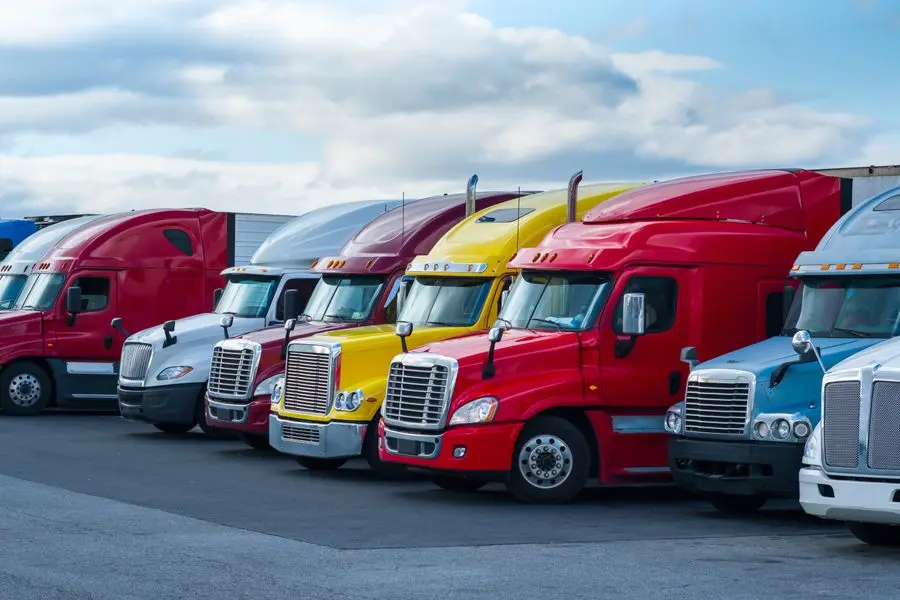
Heavy-Duty Truck Repair & Fleet Service in San Bernardino, CA
Heavy-duty trucks work under demanding conditions. Long highway miles, frequent stops, heavy loads, extended idle time, and job-site use can all affect how quickly parts wear and how often a truck needs attention.
Direct Truck & Auto Repair provides heavy-duty truck repair, diagnostics, and fleet maintenance in San Bernardino, CA. We work with commercial trucks used for hauling, construction, delivery, utility work, and other applications. Because every truck and fleet operates differently, we start with the vehicle's condition and service needs before recommending repairs.
Call 909-746-0188 or schedule an appointment online to discuss your heavy-duty truck or fleet service needs.
What Is Considered a Heavy-Duty Truck?
Truck weight classes are based on the manufacturer's Gross Vehicle Weight Rating, or GVWR. GVWR is the maximum rated weight of the vehicle when loaded, including the vehicle itself, passengers, fuel, and cargo.
For the common Class 7 and Class 8 truck classifications:
- Class 7: 26,001 to 33,000 pounds GVWR
- Class 8: 33,001 pounds GVWR and above
These classes can include many different types of commercial vehicles. Depending on the configuration and application, examples may include:
- Semi-trucks and highway tractors
- Dump trucks
- Refuse trucks
- Large delivery trucks
- Bucket and utility trucks
- Construction trucks
- Other heavy commercial vehicles
Many heavy-duty trucks use diesel engines, but equipment and service needs vary by manufacturer, engine, drivetrain, configuration, and application.
Why Is Heavy-Duty Fleet Maintenance Important?
When a commercial truck is unavailable, it can affect schedules, deliveries, crews, and daily operations. A planned maintenance program can help fleet managers stay informed about vehicle condition and address developing concerns before they become more involved.
Regular inspections and preventive maintenance may help:
- Identify worn or damaged components early
- Reduce the risk of avoidable breakdowns
- Support dependable braking, steering, and handling
- Keep engine and cooling systems working properly
- Make maintenance easier to plan
- Help manage vehicle downtime
- Support the service life of properly maintained components
Maintenance cannot prevent every breakdown. The right service schedule depends on the truck, engine, mileage, engine hours, duty cycle, operating environment, and maintenance history.
Learn more about our preventive maintenance services and fleet service.
Signs a Heavy-Duty Truck May Need Service
Changes in the way a truck runs, stops, steers, or handles can be a reason to schedule an inspection. Watch for concerns such as:
- Warning lights on the dash
- Loss of power or changes in engine performance
- Hard starting or starting problems
- Unusual engine, brake, or drivetrain noises
- Fluid or coolant leaks
- Higher-than-normal engine temperature
- Changes in braking performance
- Steering play, pulling, or handling changes
- Uneven or unusual tire wear
- Exhaust or emissions system concerns
- Transmission or shifting problems
These symptoms are starting points only. Several different problems can create similar symptoms, so inspection and testing are needed before deciding what should be repaired.
What May Be Included in Heavy-Duty Truck Maintenance?
Heavy-duty maintenance should be based on the individual truck and how it is used. Depending on the vehicle and its condition, service may involve inspecting or maintaining:
- Engine oil, filters, and other fluids
- Cooling system components
- Belts and hoses
- Brake systems
- Steering and suspension components
- Tires and wheels
- Batteries and charging systems
- Lighting and electrical systems
- Transmission and drivetrain components
- Diesel exhaust and emissions systems
- Air intake and fuel system components
The correct fluids, filters, procedures, and service intervals vary by truck and engine. Manufacturer recommendations, operating conditions, and maintenance history should be considered when planning service.
Heavy-Duty Diesel Diagnostics & Repair
When a heavy-duty truck loses power, develops a warning light, runs differently, or has another performance concern, replacing parts based on the symptom alone can lead to unnecessary repairs.
Diagnostic trouble codes can help point technicians toward a system that needs testing, but a code does not automatically identify the failed part. Proper diagnosis may involve checking operating data, electrical circuits, mechanical components, fuel delivery, air intake, emissions systems, or other areas depending on the concern.
For related services, learn more about our diesel service and computer diagnostic services.
Heavy-Duty Brake, Steering & Suspension Service
Brakes, steering, and suspension components are especially important on vehicles that operate with heavy loads. Wear can vary based on vehicle configuration, road conditions, load, mileage, driving habits, and duty cycle.
Changes in braking, pulling, steering play, vibration, unusual noises, or uneven tire wear should be inspected. The symptom alone does not confirm which component is causing the problem.
If alignment is part of the concern, visit our wheel alignment page for more information.
Heavy-Duty Transmission & Drivetrain Concerns
Transmission and drivetrain problems may show up as difficult shifting, delayed engagement, unusual noises, vibration, leaks, or changes in vehicle performance. These symptoms can have several possible causes.
Inspection and testing are important before determining whether the concern involves the transmission itself, controls, fluid condition, driveline components, or another system.
Learn more about our transmission repair services.
Diesel Emissions & DPF Concerns
Many heavy-duty diesel trucks use emissions equipment that requires proper operation and maintenance. A warning light, reduced power, regeneration concern, or exhaust system problem may require diagnostic testing.
A diesel particulate filter, or DPF, is only one part of the emissions system. A DPF-related symptom can sometimes be connected to another engine or emissions problem, so testing should come before deciding what needs to be cleaned, repaired, or replaced.
For more information, visit our diesel particulate filter service page.
Fleet Service for Different Heavy-Duty Applications
No two fleets operate exactly the same way. A highway tractor may have different maintenance needs than a dump truck, utility truck, or commercial vehicle that spends much of the day idling or working at a job site.
That is why fleet maintenance should consider factors such as:
- Mileage and engine hours
- Load and towing conditions
- Frequent stops and starts
- Extended idle time
- Highway versus local driving
- Job-site or off-pavement use
- Previous maintenance and repair history
Using the same maintenance plan for every vehicle may not make sense. Each truck should be serviced according to its equipment, condition, application, and manufacturer guidance.
Commercial Vehicle Inspection & Compliance Support
Some commercial trucks may also be subject to California inspection and emissions requirements. Which requirements apply depends on the vehicle and type of operation.
Fleet operators can learn more about our services related to the BIT Program and CARB Clean Truck Check.
Requirements can change and may vary by vehicle, so fleet operators should confirm the current regulations that apply to their specific operation.
Heavy-Duty Truck Repair FAQs
What is the difference between a Class 7 and Class 8 truck?
Class 7 trucks have a GVWR from 26,001 through 33,000 pounds. Class 8 trucks have a GVWR of 33,001 pounds or more. The GVWR assigned by the manufacturer can normally be found on the vehicle's certification label.
How often should a heavy-duty truck be serviced?
There is no single service interval for every heavy-duty truck. The schedule depends on the manufacturer, engine, mileage, engine hours, duty cycle, operating conditions, and maintenance history.
Do all heavy-duty trucks use diesel engines?
No. Diesel engines are common in heavy commercial trucks, but engine and powertrain configurations vary. Service should be based on the specific vehicle and equipment.
What should I do if my truck loses power?
Loss of power can have several possible causes involving the engine, fuel system, air intake, emissions equipment, electrical controls, or other systems. Diagnostic testing is needed to determine the cause before repairs are recommended.
Does a check engine light tell you which part needs to be replaced?
No. A diagnostic trouble code identifies a condition or system that needs further testing. It does not automatically prove that a particular part has failed.
Can preventive maintenance eliminate truck breakdowns?
No maintenance program can prevent every failure. Regular inspections and service can, however, help identify developing problems and worn components before some of them lead to unexpected downtime.
How long does heavy-duty truck repair take?
Repair time varies based on the truck, the concern, the testing required, the repairs needed, and parts availability. After the vehicle is inspected, the shop can provide a better idea of the work involved.
Heavy-Duty Truck Service in San Bernardino and the Surrounding Area
Direct Truck & Auto Repair has served the San Bernardino area since 1996 and provides maintenance, diagnostics, and repair for commercial trucks and fleets. You can learn more about the area we serve on our San Bernardino County page.
If your heavy-duty truck needs maintenance or you have a performance, brake, drivetrain, or warning-light concern, our team can inspect the vehicle, explain what we find, and discuss the appropriate next step.
Need heavy-duty truck repair in San Bernardino, CA? Call 909-746-0188 or schedule an appointment online with Direct Truck & Auto Repair.
We are a Digital Shop
The Direct Truck & Auto Repair technicians use the latest technology to not only tell you if there are any issues with your vehicle, but show you. If we uncover an issue the photo will be e-mailed to you for your records. At the end of every visit you will receive a detailed report regarding the general health of your vehicle. Our #1 goal is to keep you safe on the road.
Read more