Hydraulic Repair Service
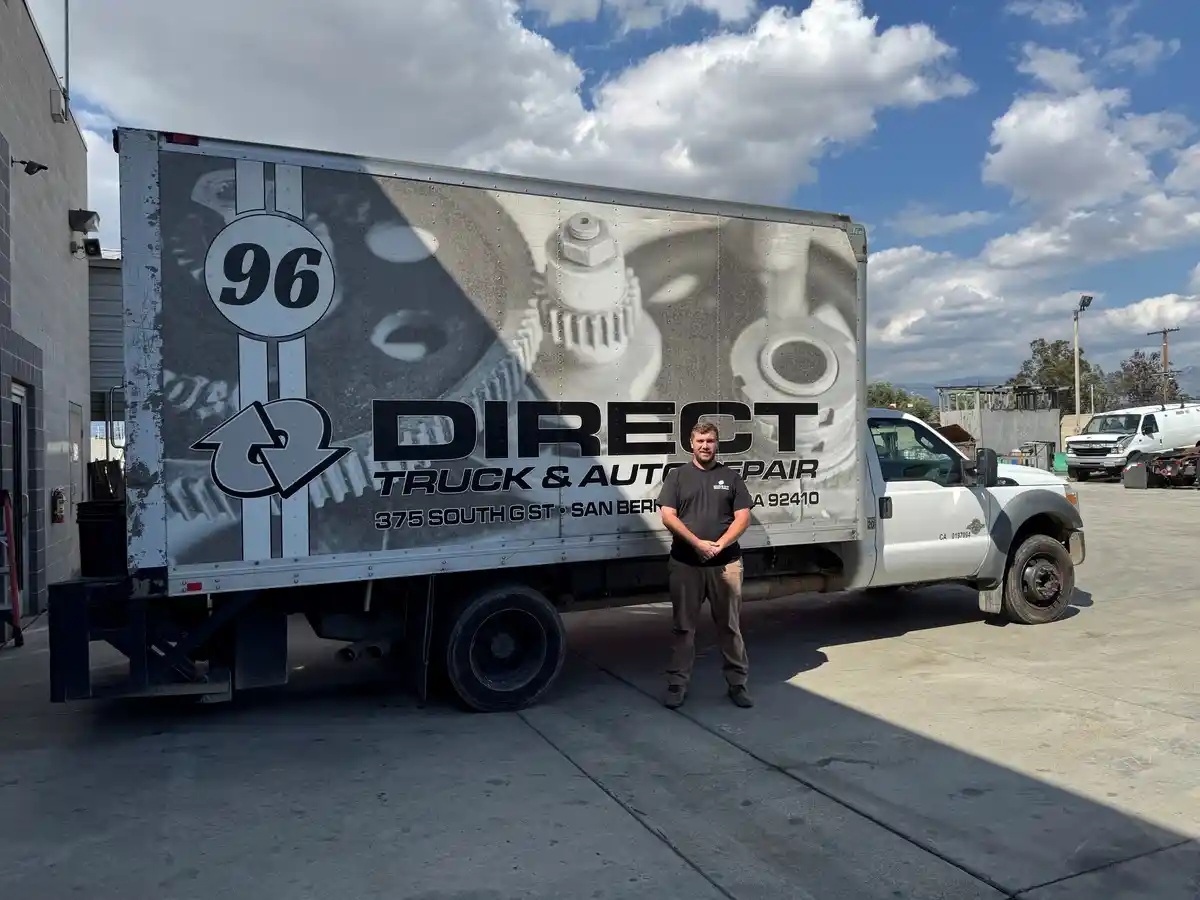
Hydraulic Repair Service in San Bernardino, CA
Hydraulic systems are used on many commercial trucks, forklifts, trailers, and pieces of work equipment. When a hydraulic system develops a leak, loses pressure, moves slowly, or stops operating correctly, the cause should be inspected before parts are replaced.
Direct Truck & Auto Repair provides hydraulic inspection, diagnostics, maintenance, and repair in San Bernardino, CA. We work with hydraulic systems used in a range of commercial vehicle and equipment applications.
Call 909-746-0188 or schedule an appointment online if your truck or equipment has a hydraulic concern.
How Does a Hydraulic System Work?
A hydraulic system uses pressurized fluid to transfer force from one part of the system to another. That force can be used to lift, lower, tilt, push, steer, or operate equipment.
Depending on the system, hydraulic components may include:
- Hydraulic pumps
- Cylinders
- Valves
- Hoses and lines
- Fittings and seals
- Hydraulic fluid reservoirs
- Filters
- Motors or actuators on some systems
- Electronic controls and sensors on equipped systems
The exact design varies by truck, equipment type, manufacturer, and application. A problem with one component can sometimes create symptoms that look like a failure somewhere else in the system.
Where Are Hydraulic Systems Used?
Hydraulic systems are common on commercial vehicles and equipment because they can provide controlled movement and substantial lifting or pushing force.
Depending on the vehicle or equipment, hydraulics may be used for:
- Dump beds
- Liftgates
- Bucket and utility equipment
- Forklift lifting systems
- Trailer equipment
- Construction and material-handling equipment
- Steering or other powered components on certain applications
Not every hydraulic system works the same way, so repair procedures should be based on the specific equipment and what inspection finds.
Signs Your Hydraulic System May Need Service
Changes in hydraulic operation can be a sign that something needs attention. Common concerns may include:
- Visible hydraulic fluid leaks
- Slow lifting, lowering, or movement
- Jerky or inconsistent operation
- Loss of lifting or operating force
- Hydraulic equipment that will not move
- Unusual whining, knocking, or other noises
- Hydraulic fluid that appears unusually hot
- Warning lights or fault codes on equipped systems
- Repeated need to add hydraulic fluid
These symptoms do not confirm a particular failed part. Pumps, valves, cylinders, hoses, electrical controls, fluid condition, restrictions, or other components may create similar symptoms.
Inspection and testing are needed to determine the cause.
Hydraulic Fluid Leaks
A hydraulic leak may come from a hose, fitting, seal, cylinder, valve, pump, or another part of the system. The location where fluid appears does not always show where the leak started.
Leaks should be inspected because low fluid levels can affect hydraulic performance and may allow other problems to develop.
Depending on the system and condition, diagnosis may involve checking accessible hoses, fittings, cylinders, connections, and other hydraulic components for signs of leakage or damage.
Why Is My Hydraulic System Moving Slowly?
Slow or weak hydraulic operation can have several possible causes. Depending on the equipment, the issue may involve:
- Low hydraulic fluid
- Fluid leaks
- Restricted filters or flow
- Air entering the hydraulic system
- Pump concerns
- Valve problems
- Cylinder or seal wear
- Electrical or control-system concerns
Several of these conditions can create similar symptoms. Testing helps determine which part of the system needs attention before a repair is recommended.
Hydraulic Hose & Line Concerns
Hydraulic hoses and lines operate under pressure and may be exposed to heat, vibration, movement, abrasion, and demanding work conditions.
Possible signs of a hose or line concern can include:
- Visible fluid leakage
- Cracks or damaged outer material
- Bulging or deformation
- Damaged fittings
- Signs of rubbing or abrasion
Visible damage should be evaluated before continued operation. The correct repair depends on the type of hose or line, its application, and the condition of the surrounding components.
Hydraulic Cylinder Repair Concerns
Hydraulic cylinders convert fluid pressure into movement. If a cylinder develops a problem, you may notice fluid leakage, drifting, weak operation, uneven movement, or difficulty holding a load or position.
Possible causes may include seal wear, internal leakage, rod damage, contamination, valve problems, or concerns elsewhere in the hydraulic system.
The cylinder and related hydraulic components should be inspected before deciding what repair is appropriate.
Hydraulic Pump & Pressure Concerns
The hydraulic pump is responsible for moving fluid through the system. If pressure or flow is not correct, equipment may move slowly, operate inconsistently, or stop functioning as expected.
A weak hydraulic system does not automatically mean the pump has failed. Low fluid, restrictions, leaks, valve problems, control issues, or other conditions can sometimes create similar symptoms.
Proper testing can help determine whether the concern involves the pump or another part of the system.
Hydraulic Electrical & Control Problems
Many modern hydraulic systems use electrical switches, solenoids, sensors, wiring, relays, and electronic controls.
If the hydraulic system does not respond to a control input, the problem may be hydraulic, electrical, or a combination of both.
Depending on the equipment, diagnostic testing may include checking:
- Switches and controls
- Wiring and connectors
- Solenoids and valves
- Power and ground circuits
- Sensors or electronic controls when equipped
If broader vehicle electrical testing is needed, learn more about our computer diagnostic services.
What May Be Included in Hydraulic Service?
Hydraulic service depends on the equipment, symptoms, system design, and what the inspection finds. We start by evaluating the concern rather than assuming which component needs replacement.
Depending on the system, hydraulic service may involve:
- Checking hydraulic fluid level and condition
- Inspecting accessible hoses and lines
- Checking fittings and connections
- Inspecting cylinders for visible leaks or damage
- Evaluating pump operation
- Checking valves and controls
- Looking for signs of restrictions or contamination
- Testing electrical controls when applicable
- Checking system operation after repairs when appropriate
Additional testing may be required depending on the hydraulic system and the concern being diagnosed.
Hydraulic Repair for Commercial Trucks
Commercial trucks may use hydraulic systems for many different work functions. A hydraulic problem can affect the equipment attached to the truck even when the engine and drivetrain are operating normally.
Direct Truck & Auto Repair provides hydraulic service along with other commercial truck repair in San Bernardino.
For related services, visit our truck repair, medium-duty truck repair, and heavy-duty truck repair pages.
Hydraulic Service for Forklifts
Forklifts rely heavily on hydraulic systems for lifting, lowering, tilting, and other functions. A leak, slow lift, uneven movement, or loss of lifting force may require inspection of the hydraulic system and related controls.
Because forklift systems vary by manufacturer and equipment type, the cause should be confirmed before repairs are made.
Learn more about our forklift repair services.
Hydraulic Maintenance for Commercial Fleets
Hydraulic equipment that is used every day can develop wear over time. Regular inspections may help identify leaks, damaged hoses, worn components, or changes in system operation before some problems become more disruptive.
Maintenance cannot prevent every hydraulic failure, but monitoring fluid condition, hoses, fittings, cylinders, and system performance can help operators stay informed about equipment condition.
For businesses managing multiple vehicles or pieces of equipment, learn more about our fleet service and preventive maintenance services.
Why Timely Hydraulic Repair Matters
A small leak or change in hydraulic performance may become more involved if the underlying problem continues. Low fluid, damaged hoses, worn seals, or other concerns can affect the way the system operates.
Having the system inspected when you first notice a change can help determine what is happening before replacing parts unnecessarily or continuing to operate equipment with an unresolved concern.
Hydraulic Repair FAQs
Why is my hydraulic system leaking?
Hydraulic fluid may leak from hoses, fittings, seals, cylinders, valves, pumps, or other components. Inspection is needed to locate the actual source of the leak.
Why is my hydraulic equipment moving slowly?
Slow operation can be related to low fluid, leaks, restrictions, pump concerns, valves, cylinders, electrical controls, or other conditions. Testing is needed to determine the cause.
Does a hydraulic leak always mean the hose is bad?
No. Hoses are one possible source, but fittings, seals, cylinders, valves, pumps, and other components can also leak.
Why does my hydraulic system make noise?
Unusual noise may be related to fluid level, aeration, restrictions, pump operation, mechanical components, or other system concerns. The source should be inspected before a repair is recommended.
Can an electrical problem stop a hydraulic system from working?
Yes. On systems with electronic controls, switches, wiring, solenoids, relays, sensors, or control modules may affect hydraulic operation. Diagnosis may require both hydraulic and electrical testing.
How often should hydraulic fluid be serviced?
There is no single interval that applies to every hydraulic system. Service recommendations vary by manufacturer, equipment type, operating hours, duty cycle, fluid specification, and operating conditions.
How long does hydraulic repair take?
Repair time depends on the equipment, the concern, testing required, repairs needed, and parts availability. After inspecting the system, the shop can provide a better idea of the work involved.
Hydraulic Repair in San Bernardino and the Surrounding Area
Direct Truck & Auto Repair has served the San Bernardino area since 1996 and provides hydraulic, truck, forklift, and commercial equipment repair services.
You can learn more about the area we serve on our San Bernardino County page.
If your hydraulic equipment has a leak, slow operation, loss of pressure, unusual noise, control problem, or another concern, we can inspect the system, explain what we find, and discuss the appropriate next step.
Need hydraulic repair in San Bernardino, CA? Call 909-746-0188 or schedule an appointment online with Direct Truck & Auto Repair.
We are a Digital Shop
The Direct Truck & Auto Repair technicians use the latest technology to not only tell you if there are any issues with your vehicle, but show you. If we uncover an issue the photo will be e-mailed to you for your records. At the end of every visit you will receive a detailed report regarding the general health of your vehicle. Our #1 goal is to keep you safe on the road.
Read more